Pine Mountain Settlement School
DANCING IN THE CABBAGE PATCH
ABOUT I
DANCING IN THE CABBAGE PATCH About
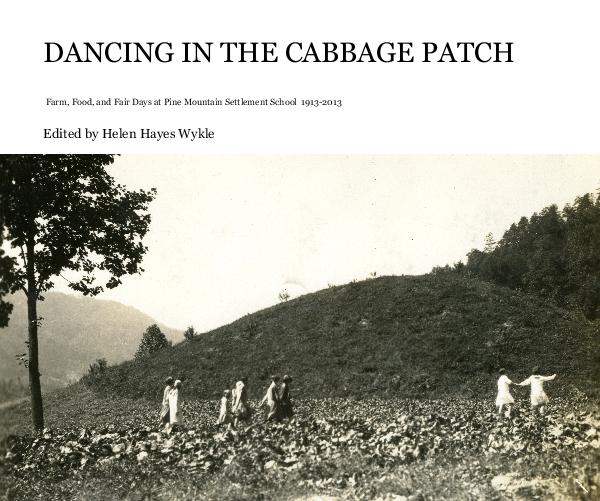
Dancing in the Cabbage Patch is a personal reflection on the history of one of the oldest continuing rural settlement schools in America.
BEGINNING
Founded in 1913, Pine Mountain Settlement School is located in the mountains of eastern Kentucky in Harlan County. It is one of several rural settlement schools influenced by the urban settlement movement but distinct from that movement by its agrarian emphasis. Rural settlement schools were born in the latter part of the nineteenth century and the early years of the twentieth. The push into the mountains of “Community work,” following the Reconstruction era, brought many ideas and workers from the urban settlement houses and centers to the largely decentralized agrarian communities of the Southern Appalachians where the Settlement Movement was melded into a new framework. In remote communities in the mountains of Kentucky, Tennessee, North Carolina, Virginia, and Georgia a robust rural settlement school movement took hold at the beginning of the twentieth-century.
A region of ridges and hollows, the long chain of mountains that comprise the Southern Appalachians are rich in natural resources but during the early twentieth-century the people who had settled the area were believed to be outside the capacity to join the accelerating industrial development of the country’s major cities. The reasons were many and were not, necessarily unique to Eastern Kentucky. In particular, the people lagged in their development in many areas; social, economic, educational, and industrial skills, compounded by their isolation. One of the objectives of the rural settlement movement in the Appalachians was to provide industrial training for people tucked away in the most remote corners of the region and to prepare them for the looming impact of industrialization on their lives.
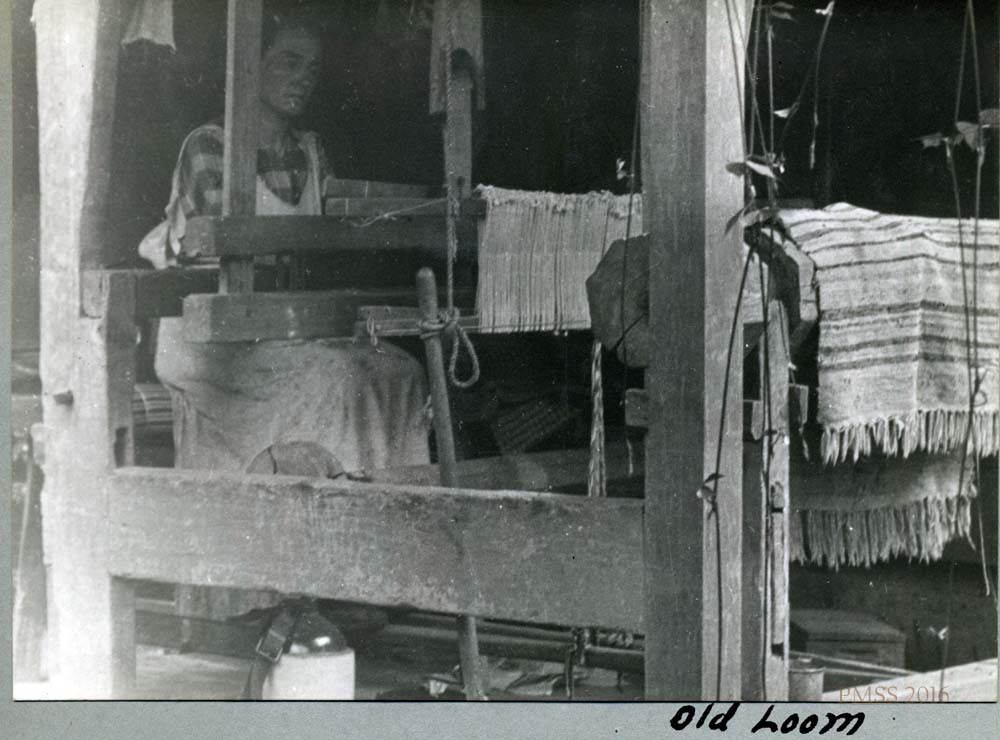
Modeled on the urban settlement movement models but modified for their rural setting, the early rural settlements movement programs were initiated to ease the rural communities into the mainstream of America’s burgeoning industrialization by integrating the familiar into the growing changes. But, paradoxically, the rural movement also sought to retain and promote some cultural artifacts of their isolation. By adopting elements of the Arts and Crafts Movement and the so-called Country Life Movement, the rural settlement work focused on nurturing pride in local folk arts, music and dance unique to the isolated region. While honoring the unique regional arts, crafts, music and dance, that built strength into the unique community, the rural settlement sought to educate and prepare the community the growing industrial tsunami that was overtaking the region. The people knew how to build strength of community through their heritage, but they were less able to adjust to the rapid and rapacious cultures that accompanied lumbering and mining.
The workers who came to Central Kentucky to found the early settlement institutions fervently believed that an amalgam of local cultural wealth and improved education and medical assistance could insulate the people and the region and enable their navigation of the perceived social ills of rapacious and rapid mechanization.
Workers in the early settlement schools danced an uneven course between their familiar cultural patterns and those they perceived to need “discovery” again within their remote communities. Many of the settlement workers imposed their own adaptation of a perceived culture that only needed to be “awakened.” The community danced around the unfamiliar adaptations while gleaning from the mixed educational support and the reinvigoration of old skill sets and in the process, a new sense of self began to evolve for both natives and settlement workers.
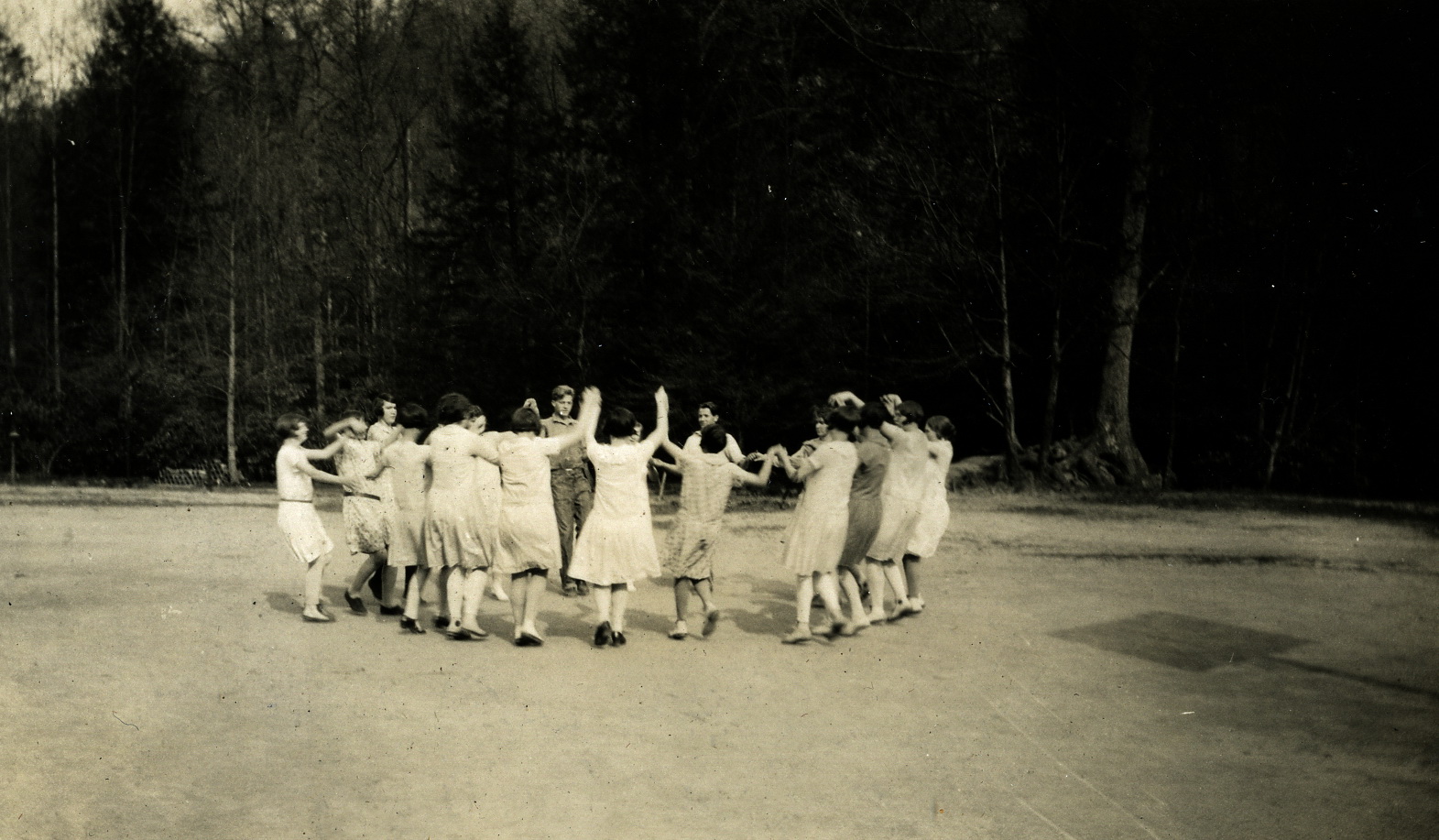
For example, the communities around the rural settlements of eastern Kentucky danced the “Running Set”, a fast-paced, energetic dance that generally had only the human voice to call out the moves. It was a dance that echoed their lives. Recreation had to be experienced quickly, guided by visual and auditory direction, for the patterns that shaped the lives of the mountain people were the demanding and changing seasonal life of subsistence farming. The “folk dance” of the new workers looked back to the more elegant English Country Dance style. It was a unique blend and not as disparate as it might appear. When the English Country Dance authority, Cecil Sharp, came to Pine Mountain Settlement in the 1930s he helped to cement the two cultural styles.
Further, many of the settlement workers who came to the isolated valleys and hollows of Eastern Kentucky promoted the region’s isolation as a salvation from the evils of the industrial world by adopting a modified Arts and Craft Movement ethos. Others found a better balance through the introduction of many of the tenants of Progressive education, particularly through programs of civic-minded industrial training combined with a standard educational framework. Pine Mountain Settlement School in its early years, chartered a course somewhere between the two educational directions.
In the region, many social service agencies, as well as church and charitable organizations developed institutions modeled on the early urban settlement movement instituted in Chicago by Jane Addams and in other major urban areas by idealistic leaders. The leaders in the urban centers proposed to guide the people out of poverty and illiteracy by modeling a progressive presence in the community. Of the rural settlement institutions Pine Mountain Settlement School, a uniquely non-sectarian institution introduced a powerful Settlement Movement model that adapted to the rural environment. What evolved in the formative years was a rich educational model that married traditional education to local culture and added a strong industrial training component. Further, they added health and social services for the community, reaching out to more than just students but also to their families. Today, that model still has its proponents and it is still a model that changes lives and is remarkably fresh. In the urban centers the settlement house movement was slowly diluted when the workers began to remove themselves from the communities of interest and established “centers” of service staffed by professionals who were no longer integrated, or living within the community of service. When compared to contemporary trends in education and social services whether urban or rural, the de-centralized model may be argued to be an isolating move for mutual education and a step backward in direct service.
The following topical essays contained in “Dancing in the Cabbage Patch,” reflect a personal reflection and a journey centered on the experience of being born and raised in the rural settlement school environment of Pine Mountain. It has not been written to reflect the views of the current institution but to trace through a personal reflection — a lived experience of some of the highlights of Pine Mountain Settlement School during its 100-year history.
It has been said that when one has had such a profound maturation and is wrenched from that life, that it allows for a second sight. To be able to return to a place and to see it for the first time is a rare gift but a tenuous one filled with some doubt in any a perceived clarity of vision. This essay explores that personal ambiguity.
FORWARD
Perhaps overly romantic and nostalgic, the words “pastoral” and “bucolic” have often been used to describe Pine Mountain Settlement School. These words are most frequently used in the description of farmlands. Yet, in eastern Kentucky, generally, the farmland has often been described in disparaging terms, particularly by visitors to the region. “Subsistence farming,” poverty, “hillbilly hollars,” outliers, “outsiders,” etc.. Why these disparaging remarks? Why this eagerness to draw a difference, especially between rural and urban? The answers are complex.
The general perception of the land’s importance to what comprises Pine Mountain Settlement School, in fact, stands in direct contrast to the observations of many of those who have written about Eastern Kentucky. The descriptive adjectives used for many Appalachian farms and the surrounding mountains — and, sometimes its people, often reads “ravaged,” “uncultivated,” “disorganized,” “unkempt,” “scraggly,” “impoverished,” dirty, and other pejoratives that disparage any perception of beauty. Why is Pine Mountain “bucolic”, “lovely”, “peaceful”, “Shangri-La”, “natures majestic garden” and on and on? Again, the perceptions and the reflections are complex.
Farming practice has always been central to the life of the Pine Mountain Settlement School and its surrounding communities. Planning for the school was built upon the desire of William Creech to teach good farming practice as well as to educate students in an educational curriculum consistent with that offered to youth in other parts of the country. He saw these two objectives as joined in a reverence for the land and its people and progressive in its experimentation.
Farming at the School has a very long history and one that has been integrated into almost every program of the institution for over one-hundred years. While Pine Mountain Settlement has never been strictly a “farm school” it has had a long association with the production of food that nurtures body and mind. It also draws from “farm schools” developed around the same time as Pine Mountain. Nature and nurture have always found a partnership in these schools and were and are regularly celebrated in a variety of ways.
COMMUNITY CELEBRATION
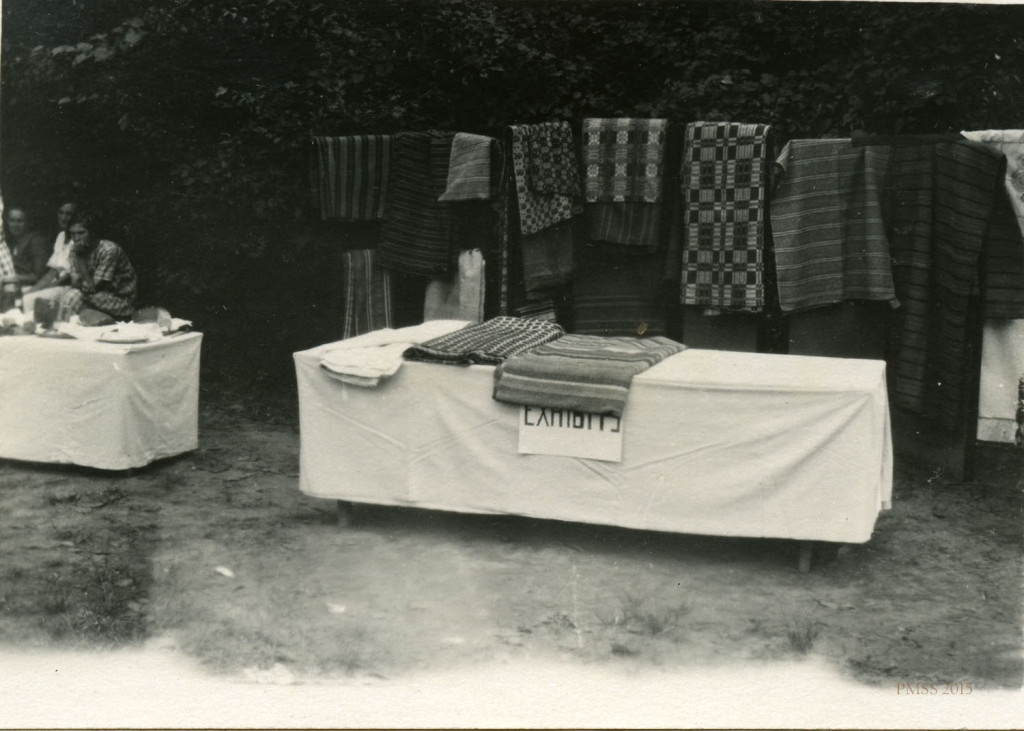
Like farming, the celebratory events at the School play an integral role in the history of the institution. Like the cycles of agricultural life, community celebrations help to establish the ebb and flow of life at the School and map it to the rhythm of the community. Many annual events such as Community Fair Day, celebrated in the Fall and harvest time; the Nativity Play at Christmas marked the reflection afforded by winters seclusion; May Day in the Spring and the school’s former annual Spring Dogwood Breakfast celebrated the rebirth of living things and the nurture they promise. All have their origins in a celebration of the seasons and are generally accompanied by food or by displays of the produce from local farming.
The celebrations, pageants, and plays are remembered fondly by many students who attended the school and many of these memories were or are associated with agrarian practice or with a foodway, or agricultural rhythm. These events were also linked to long traditions that the workers romanticized and tied to Anglo-Saxon heritage, pioneer life, the Pilgrims, self-sufficiency, and a myriad of other partial truths.
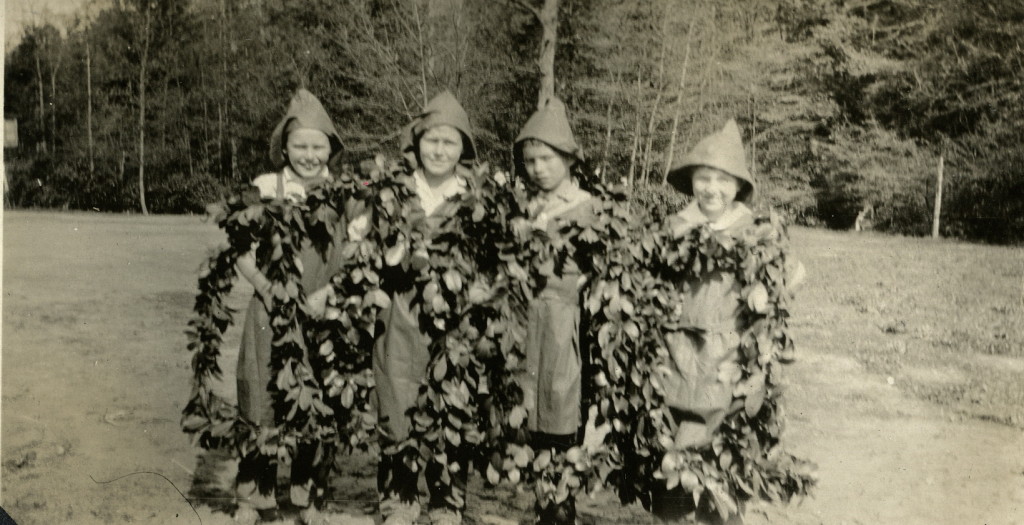
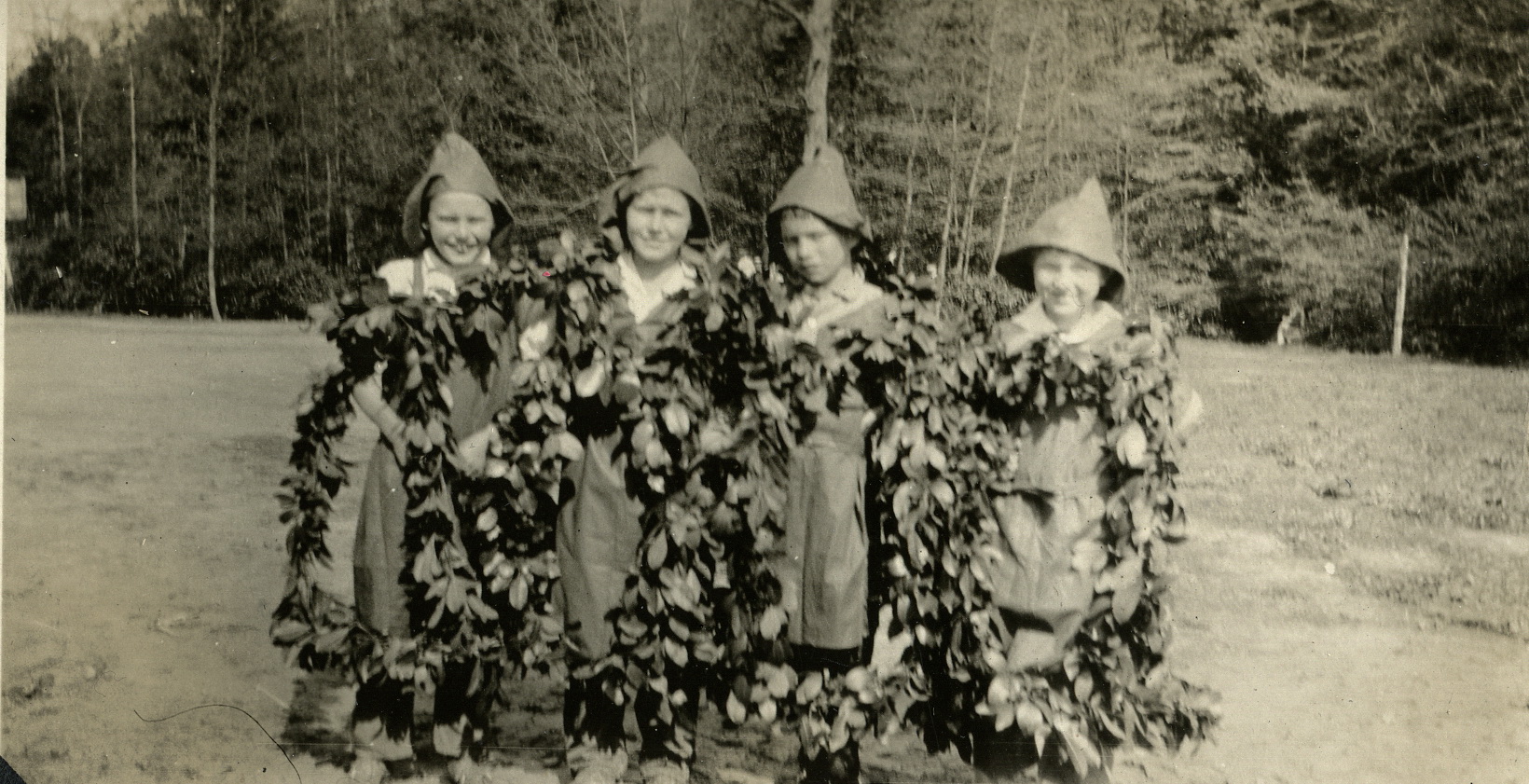
May Day c 1920 – young children dressed in greenery for the celebration.
Whether performed for entertainment, for educating, or for the celebration of special people, event, time or place, the festivities at the School provided an opportunity for a connection with both the past and the future of the institution.
In the surrounding community past and present are equally revered but future rarely intruded into daily community conversation. Like dreams, the future was held close like some shining city on the hill or in the hereafter. Today, the community of promise seems even further away in conversation and practice as celebrations have steadily declined and as economic despair has increased. The tightly woven fabric of the community began to tatter in the tangled ideals of the War on Poverty and in the reality of an economy that failed to diversify.
Thanksgiving, Columbus Day, Robin Hood’s adventures, the Mikado, HMS Pinafore, the Cooperative Store skits, the Kanagawa play, Halloween, the carrying in of the Yule Log, the simple dialog of the Nativity Play — all gave early students the opportunity to don costumes and assume other personalities and to imagine themselves in other lives, other countries and other times. “How beautiful upon the mountains are the feet of him that bringeth good tidings, that publisheth peace …” was found written on the wall of a humble mountain cabin. It is a quote from the Bible, but it is also a well-known quote from the annual Nativity Play at Pine Mountain.
The early institutional celebrations allowed the staff workers to gather and renew their friendships on the campus and were celebrations that brought the school and the community together in cooperative celebration. What was carried away would be or could be life-changing.
PHOTOGRAPHS AND PUBLICATIONS
The PHOTOGRAPHS from Pine Mountain document and celebrate many of the events at the School and the community while also capturing some of the most compelling images of institutional and community life in early rural Appalachia. There are intimate portraits of Appalachian families at work and at play. There are scrapbooks by settlement school workers who gathered their visual memories and left them for the school to ponder their aggregation. There are official collections of promotional photographs that sought to convey a particular image of the institution for calendars and brochures. There are many overlaps and duplicates in the images across the many collections. Sharing was always part of Pine Mountain’s culture. And, there are many months and years of lives in the photographs and mementos gathered in the scrapbooks, travelogues, and albums. The photographic images also capture the essence of the School as it grew and changed.
Music and dance, folk craft, mountain vernacular architecture, clothing, farm techniques and implements, food and food preparation, and many more themes may be found in the photographs and publications that were created over the life of the School and shared within the institution and with the communities of interest Some of the most compelling images are those of the workers and students as they danced … and danced … and danced some more.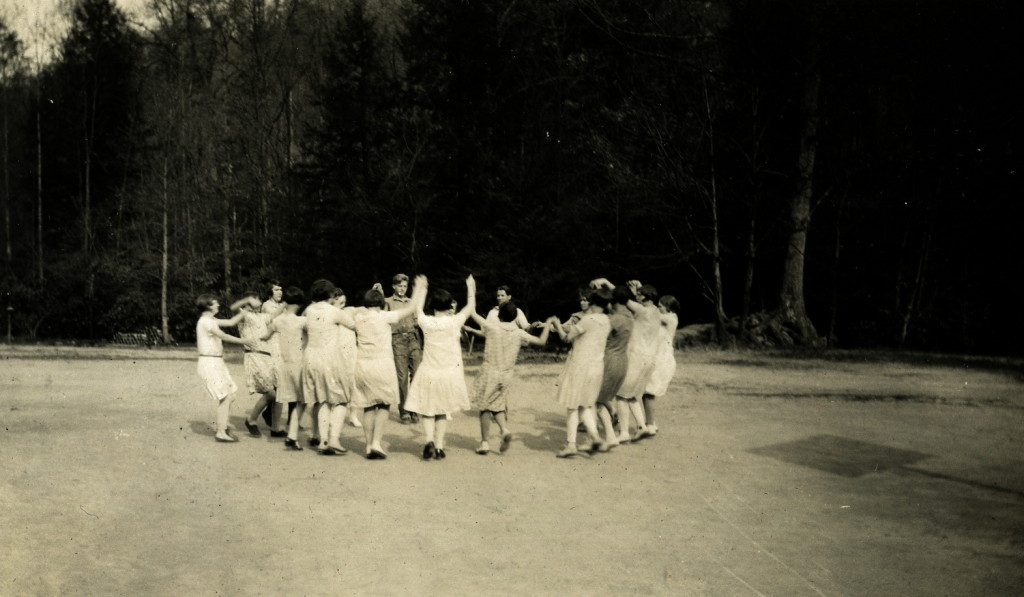
As the educational programs changed and grew and as the current Environmental Education programs evolved, the photographs and publications about the School capture the shift in the scale of farming, the use of the land and the growing awareness of the preciousness of the natural environment. In today’s technological world this preciousness is even more compelling. The photographs and publications are celebrations of the people as well as of the land. Together, the land and the people provide what many call a “sense of place.”
FOODWAYS
Perhaps nowhere is the sense of place captured better, or traced more intimately than in the transition of food-ways at the institution. Change may be observed in the narratives and the photographs when annual events were either down-sized or were, in some cases eliminated. The relationship between the land and the foodways of the people who shared the land may be clearly seen as food, events, and farming intermingle and wax and wane.
For example, May Day and Dogwood Breakfast, two spring-time events were eliminated from the annual calendar shortly after the closure of the boarding school in 1949. After the closure of the boarding school the intimate community of the School began to fragment, as workers lived off-site, the tasks of the school became overwhelming with no students to crew the many jobs. The focus on agriculture declined. The many changes at the School reflected a shift in the general sense of community in both the central institution and also in the community at large. The numbers of staff at the school declined over the years and many workers came for short stays or had little knowledge or connection to the historical campus. Foodways changed as the more processed food was easily attainable and preparation of locally harvested food diminished.
In the community, the events in nearby urban centers such as Harlan, or other urban centers such as Hazard or Cumberland, or even distant Lexington, began to pull families away from the immediate community life of the Pine Mountain Valley. 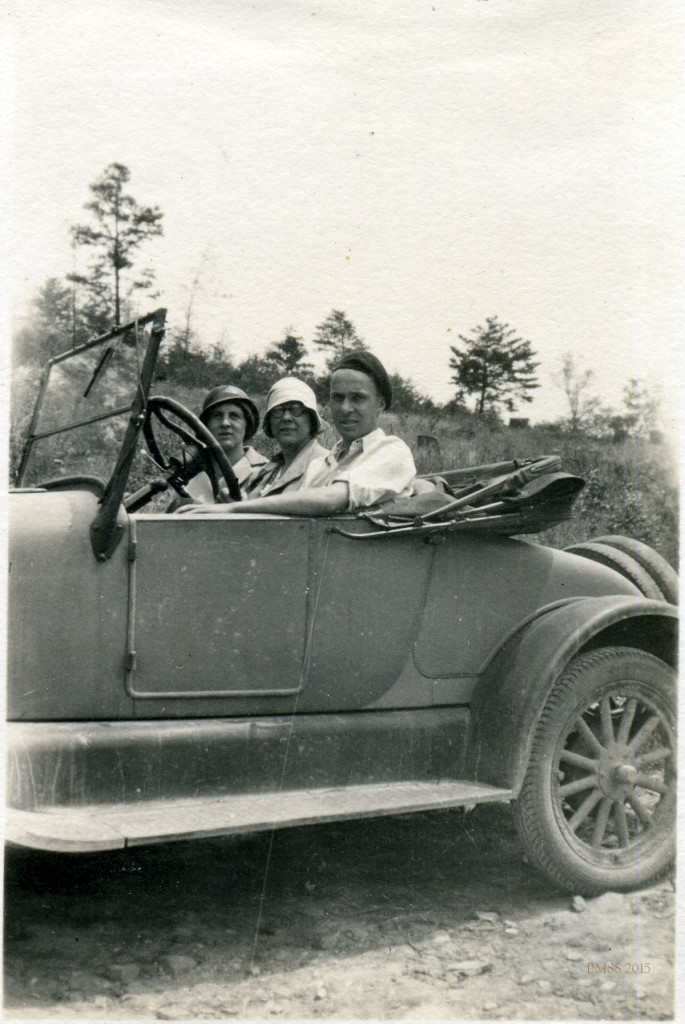 The isolation of the region was slowly but dramatically altered by roads, particularly THE ROAD, Laden Trail, across Pine Mountain, which the Settlement School sponsored with Harlan County and the State of Kentucky. Though the road was slow in its construction, it radically changed live in the isolated valley. New roads opened the region for an ebb and flow of new cultural ideas and life-styles.
Soldiers returning from WWI and especially WWII, shifted the cultural climate even more. Film, television, and today multimedia and digital media and other entertainment and communication tools continue to contribute to the fracture of community cohesion. The reliance on immediate communication can now be acutely felt at the school as visitors roam the campus for “hot-spots” to keep in cell-phone contact with family, friends or business. Visitors often feel both in place and out-of-place … caught between past and future in the remote location.
ENVIRONMENTAL PROGRAMMING
With the full implementation of the Environmental Education program in the 1970s, older programs at the school shifted from a focus on hands-on agricultural management of the campus land resources to an educational understanding of the broader concepts of the total natural environment and its cooperative management. The farm became garden and the devolution to subsistence farming could not be missed on those who remembered the farming years. Quickly, the new environmental consciousness of the 1960s and 1970s aligned with K-12 educational science standards found in the public school curricula and environmental education programs began to evolve. Pine Mountain School quickly realized the importance of its history and geography to the new environmental movement and began to give formal shape to its educational program.. Pine Mountain saw its opportunity to be a leader in the field of environmental education and was, in fact, one of the first such programs in the state of Kentucky. Today, the environmental programs at the School remain a model of environmental education while keeping pace with the growing national educational environmentalism and awareness. Global warming and other man-made environmental crises are giving special urgency to environmental education and not just to K-12. Throughout the world there is a growing struggle to find ways to address the complexity of environmental education for everyone.
Yet, Pine Mountain will always carry an environmental lesson. Whether “jitterbugging” in the local streams, or waltzing across a ridge-top, or learning to tango with a rapid thunderstorm, the dances with nature at the School have proven to be endless and sustainable and educational.
HEAD, HANDS, HEART AND EYES OF THE PHOTOGRAPH
PHOTOGRAPHS have always been important to the School. What the photographers at Pine Mountain selected to photograph documents the change in the community as well as larger cultural shifts. While the photographs capture the essence of the lifestyle of the age, they also suggest the personal interest of the photographers as they experienced their cultural context. The visual record, the photograph and certainly the individuals in the photograph, capture what the local culture saw as it looked back at the many cameras and photographers. The tensions are almost palpable in the distance between camera, subject, and photographer. Both palpable and frozen, the many images taken at the school and in the community graphically capture photographer, image and subject as they instantly interact — their gazes joined, the landscape stilled and quiet, a thousand questions unanswered — just as it is in one blink of life.
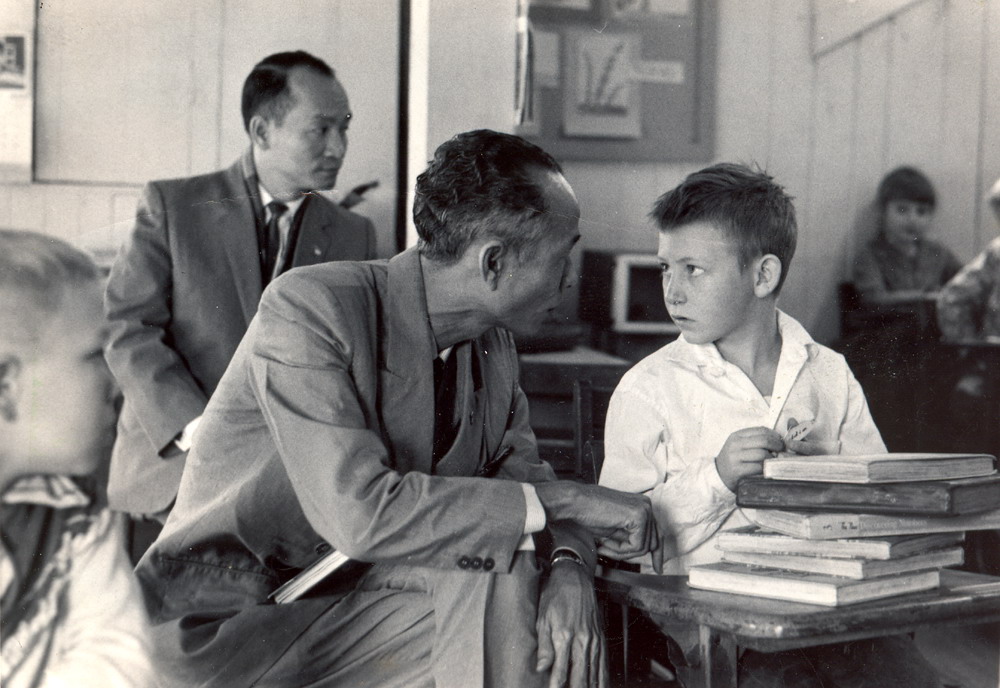
Visitors from Viet Nam in the classroom at PMSS, 1950s. [pmss_0037]
Photographs are remarkable vehicles for primary source information and their visual content opens for the teacher, researcher, and the viewer a variety of windows into other times and other lives. The potential contributions of Pine Mountain Settlement School’s photographs to Appalachian cultural research are extraordinary. One has to wonder if the young boy in the photograph above might have ended up in Viet Nam in the 1970s and what would he remember of this early encounter?
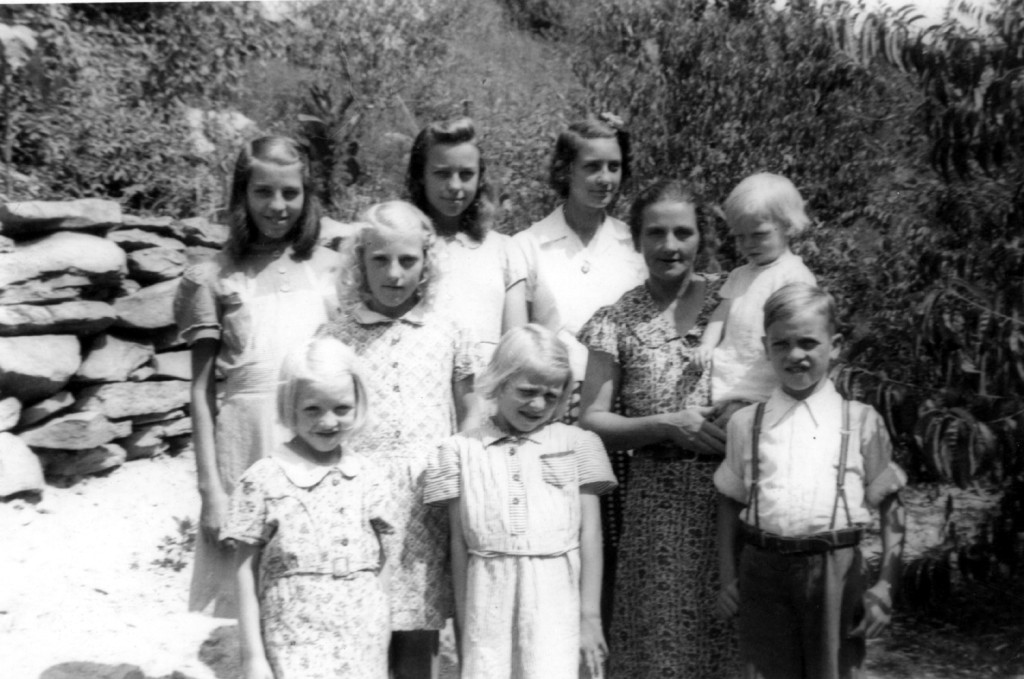
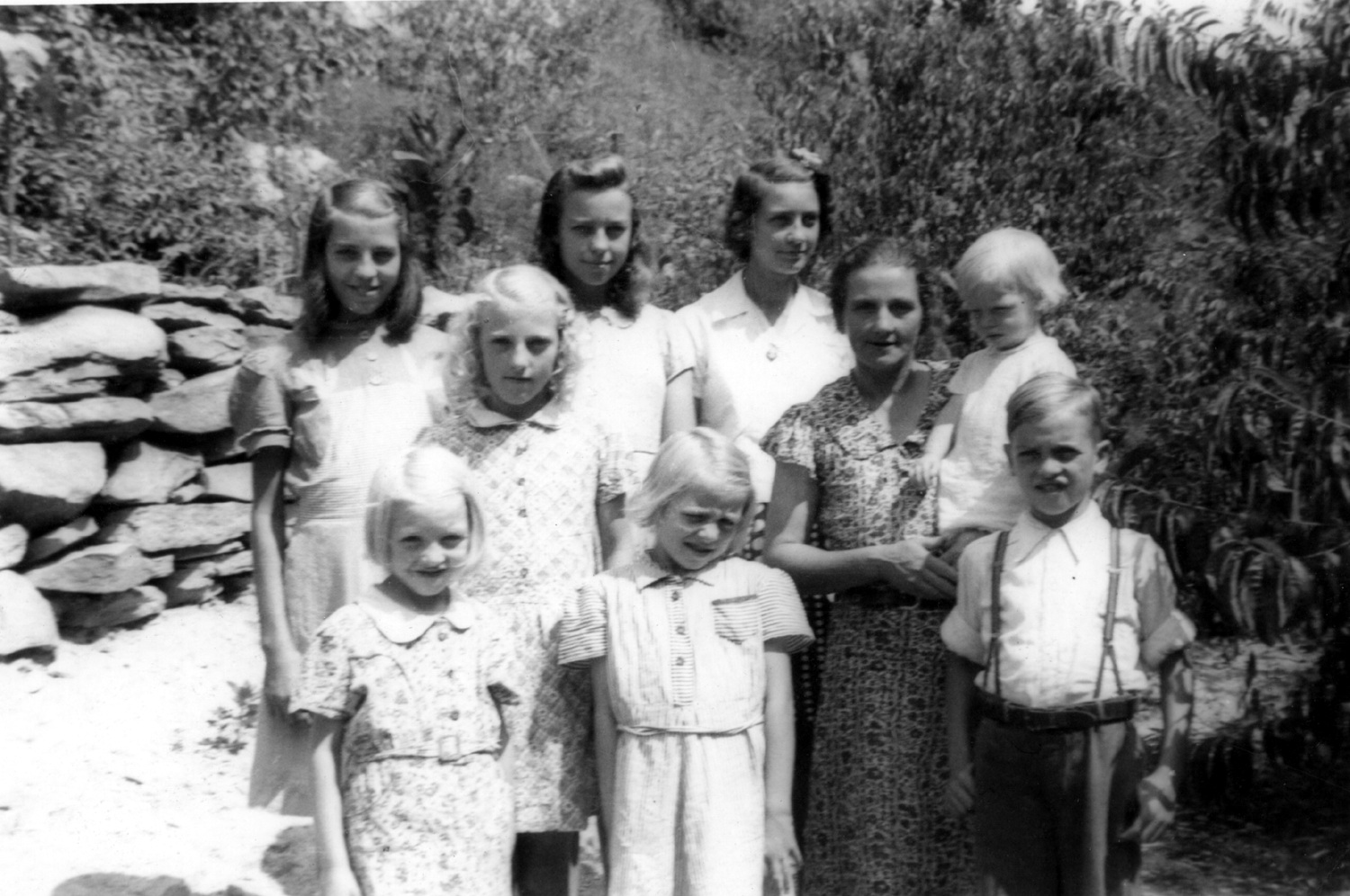
Community family near PMSS. [Friends & Neighbors – VI-51 ]
Mary Rogers, wife of Burton Rogers, one of the Directors of the School, wrote in the “Preface” of the Pine Mountain Album – 1913-1963, prepared for the 50th anniversary of the School:
“Most of us are so busy trying to do what must be done today, and planning ahead to what needs to be done tomorrow that we have little time to look back to the things which happened yesterday. But we are celebrating an anniversary, the 50th anniversary of Pine Mountain Settlement School, and so we will turn to the past — get out the old album and look at the pictures.
It’s a funny thing, looking at old pictures. They don’t show the things that matter most: Uncle William’s craving that his people might grow better; Miss Pettit’s dedication to bringing help to the mountains; Mrs. Zande’s high standards and loving understanding of people; Mr. Morris’ dynamic energy; the different gifts brought by hundreds of workers over the years.
Nor do they show the important things in a student’s life: the moments of courage; the hours of service; the growth in understanding; the vivid enjoyment of life; the deepening love for a place and its people; and sometimes the realization that the source of all things is the Love of God. All the same, let’s look at the pictures, some faded and old-fashioned, but taken because someone wanted to “keep” something from the past, and let us try and read into them the things for which they stand.”
Mary Rogers, 1963
Another fifty years and more have now been added to the visual history of the School. Together, the photographs, the documents, the scrapbooks, the books and the vast natural and built environment of the school form a rich educational environment and classroom that is unexcelled in the Central Appalachians. In 2013 Pine Mountain celebrated its 100th Anniversary. One-hundred years of “Dancing in the Cabbage Patch.”
GO TO:
DANCING IN THE CABBAGE PATCH – ABOUT
DANCING IN THE CABBAGE PATCH I – GUIDE
DANCING IN THE CABBAGE PATCH II – INTRODUCTION
DANCING IN THE CABBAGE PATCH III – PLACE
DANCING IN THE CABBAGE PATCH IV – FARMING THE LAND 1913-1930
DANCING IN THE CABBAGE PATCH V – FARM & DAIRY I – EARLY YEARS
DANCING IN THE CABBAGE PATCH V – FARM & DAIRY II – MORRIS YEARS