
Pine Mountain Settlement School
Series: PHOTOGRAPHS
064 VII LIFE WORK
General Maintenance Farm Grounds I
Singles
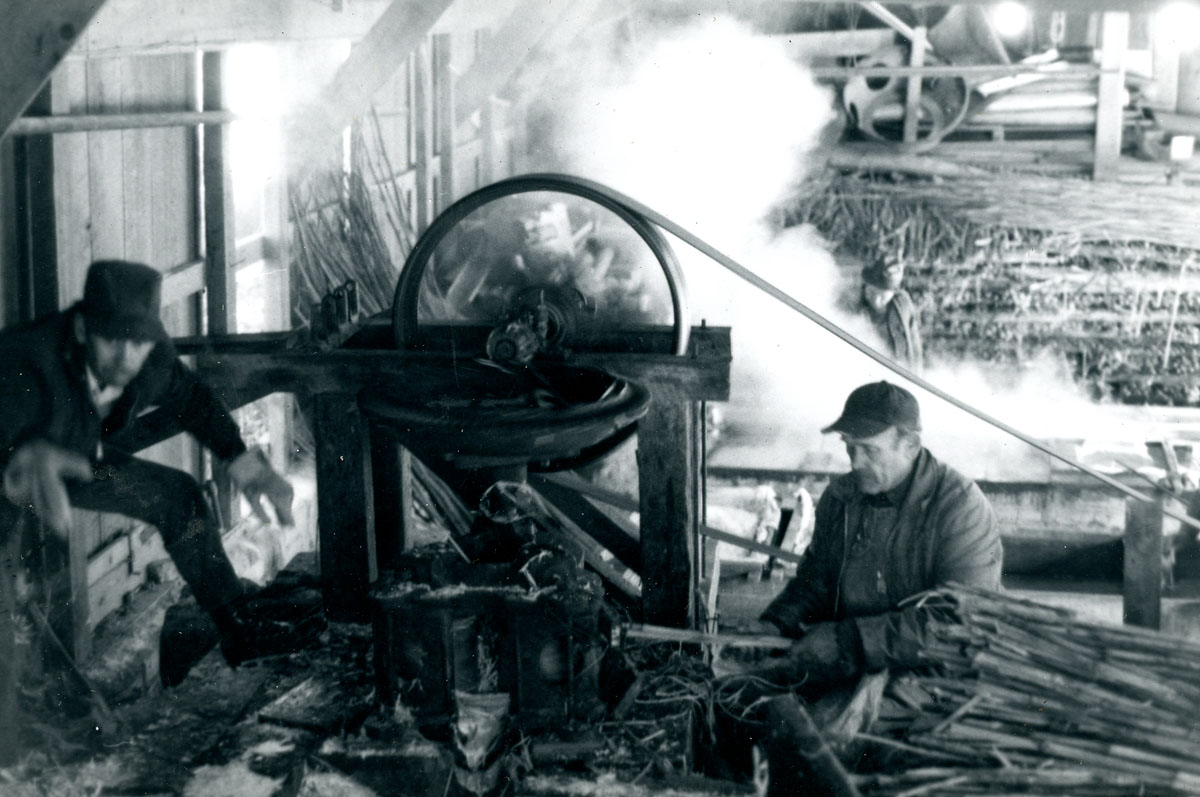
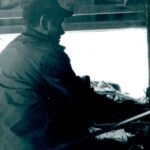
Milling sorghum at Pine Mountain Settlement, c. 1957. Jess Patterson to far right. 38 [64_life_work_general_farm_grounds_sorghum_038.jpg]
TAGS: Farm, barn, silo, chickens, William Hayes, farmers, Jess Patterson, eggs, sheep, Ayrshire cows, sorghum molasses, sugar cane, corn, silage, pastures, tractors, livestock pond, cane press, Arthur Dodd, Paul Lynn, Community School, Burton Rogers, farm machinery
064 PHOTOGRAPHS VII LW Maintenance Farm Grounds Singles
This photographic journey of the maintenance of the Pine Mountain Settlement School farm in the 1940s and again in the late 1950s is a window into the development of farming activities at the School. The early photographs are most certainly the work of Arthur Dodd, the School principal and photographer. The later images of sorghum making are most likely the work of Paul Lynn, a teacher and staff photographer in the 1950s.
One of the more interesting sets of photographs is that associated with the production of sorghum molasses. Sorghum molasses has a long history at Pine Mountain Settlement School. For example, in an article written by Maria McVay about the trip with Katherine Pettit, a founder of Pine Mountain Settlement School, and others took in 1899. The group stopped at a mountain cabin for the evening and were treated to a hearty mountain supper complete with sorghum:
The good people upon whose hands we were thrown cooked a supper for us of eggs, corn pone and sorghum, buttermilk and coffee. No supper at the finest cafe in Cincinnati or elsewhere tasted so good. We ate everything in sight and could have eaten more, and then we longed for sleep.
HISTORIES 1899 A Novel Excursion by Maria McVay
And a note by Burton Rogers, Director in the 1970s, speaks of the continuation of the production of sorghum molasses as it intersected with education. The appreciation of the mountain treat — sorghum molasses by children, was used as an educational tool to encourage their learning. The old tradition of the making of the delicacy was taught to the younger generation who shared in its production. By sharing the art of making molasses with the children, the knowledge was carried forward and they re-connected with early skills and knowledge that were practical and lasting. Many of these skills lasted into adulthood with those who have passed through the School. After all, who can forget the sweet taste of sorghum on the end of a cane, or the difficult tasks demanded to produce such a sweet treat!
Children enjoyed the weekly Clubs meetings with a choice of about ten activities; school boys stayed after school to work stripping leaves from cane for sorghum molasses-making.
Dear Friend Letter Nov. 1970
Today the making of sorghum molasses is still a labor-intensive effort but it continues at the School. Currently, with the latest harvest of sugar-cane and the pressing of the sweet juice, and the boiling of it down into sorghum, the 2020 crop has been processed. A sweet closing of a rather sour year.
GALLERY: 064 PHOTOGRAPHS VII LW Maintenance Farm Grounds Singles
-
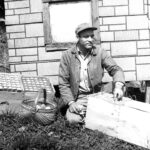
- William Hayes with chicken house and eggs. 01b [64_life_work_general_farm_grounds_sorghum_001b -copy[
-
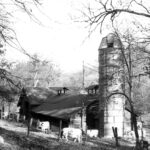
- Barn 02a 64_life_work_general_farm_grounds_sorghum_002a
-
- Campus view. 02b 64_life_work_general_farm_grounds_sorghum_002b
-
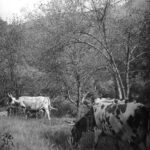
- Ayrshire herd. 02c 64_life_work_general_farm_grounds_sorghum_002c
-
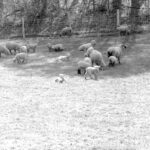
- Sheep at pasture, 1950s. 03a 64_life_work_general_farm_grounds_sorghum_003b
-
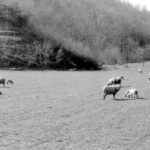
- Sheep to right of knoll. 03b 64_life_work_general_farm_grounds_sorghum_003b
-
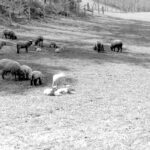
- Sheep at pasture. 03c 64_life_work_general_farm_grounds_sorghum_003c
-
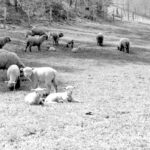
- Sheep at pasture. 03d [64_life_work_general_farm_grounds_sorghum_003d.jpg]
-
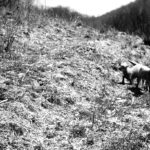
- Lambs. 03e 64_life_work_general_farm_grounds_sorghum_003e
-
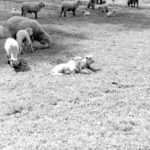
- Sheep and lambs. 03f 64_life_work_general_farm_grounds_sorghum_003f
-
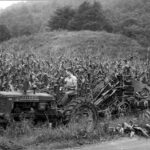
- Harvesting corn for silage. 04a 64_life_work_general_farm_grounds_sorghum_0
-
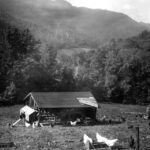
- Upper chicken house, 1940s. 04b 08b ]64_life_work_general_farm_grounds_sorghum_004b]
-
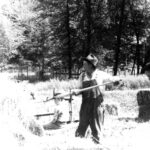
- Raking hay. 04c 64_life_work_general_farm_grounds_sorghum_004c
-
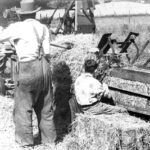
- Baling hay for livestock. 04d 64_life_work_general_farm_grounds_sorghum_004d
-
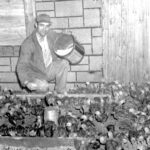
- William Hayes, farmer, and new chicks. 05a 64_life_work_general_farm_grounds_sorghum_005a
-
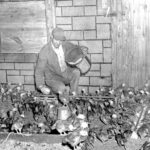
- William Hayes and new chicks. 05b 64_life_work_general_farm_grounds_sorghum_050
-
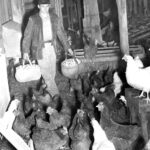
- Hobart Wilder and chickens and eggs in baskets. 06a 64_life_work_general_farm_grounds_sorghum_006a
-
- Chickens. 06b 64_life_work_general_farm_grounds_sorghum_006b
-
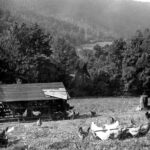
- Chickens, free-ranging. 07a 64_life_work_general_farm_grounds_sorghum_007
-
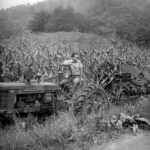
- Harvesting corn for silage. 07b 64_life_work_general_farm_grounds_sorghum_007b
-
- Field near West Wind. 07c 64_life_work_general_farm_grounds_sorghum_007c
-
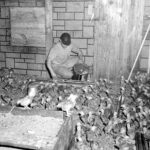
- William Hayes with new chicks. 08a 64_life_work_general_farm_grounds_sorghum_008a
-
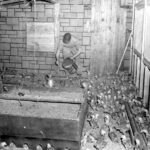
- William Hayes feeding new chicks. 08b 64_life_work_general_farm_grounds_sorghum_008b
-
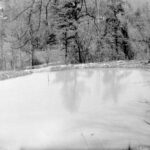
- Livestock pond near Chapel. (No longer extant) 09a 64_life_work_general_farm_grounds_sorghum_009a
-
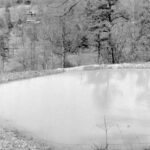
- Livestock pond near Chapel. No long extant [crayfish!] 09b 64_life_work_general_farm_grounds_sorghum_009c
-
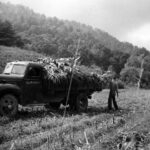
- 09c Loading silage corn. [64_life_work_general_farm_grounds_sorghum_009c]
-
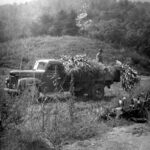
- Loading silage corn. 09d [64_life_work_general_farm_grounds_sorghum_009d]
-
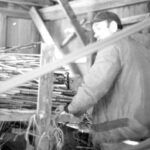
- 1957, Jess Patterson preparing for making sorghum. 10a 64_life_work_general_farm_grounds_sorghum_018
-
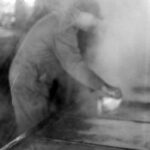
- Skimming sorghum foam. 1957 10b 64_life_work_general_farm_grounds_sorghum_019
-
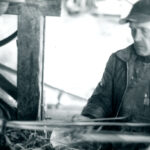
- Jess Patterson milling sugar cane, 1957. 10c 64_life_work_general_farm_grounds_sorghum_020
-
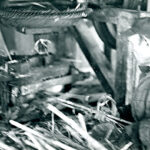
- Milling sugar cane for sorghum, 1957.10d 4_life_work_general_farm_grounds_sorghum_021
-
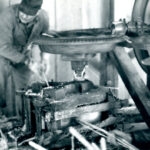
- Milling sugar cane for sorghum, 1957. 10e 64_life_work_general_farm_grounds_sorghum_022
-
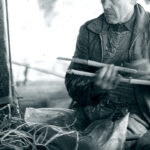
- Milling sugar cane for sorghum, 1957. Jess Patterson. 23 64_life_work_general_farm_grounds_sorghum_023
-
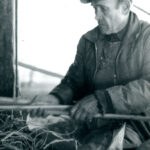
- Milling sugar cane for sorghum, 1957. Jess Patterson. 24 64_life_work_general_farm_grounds_sorghum_024
-
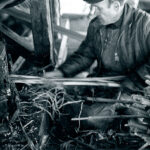
- Milling sugar cane for sorghum, 1957. Jess Patterson. 25 64_life_work_general_farm_grounds_sorghum_025
-
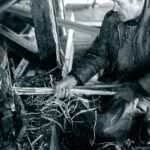
- Milling sugar cane for sorghum, 1957. Jess Patterson. 26 64_life_work_general_farm_grounds_sorghum_026
-
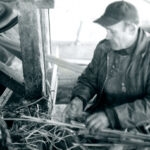
- Milling sugar cane for sorghum, 1957. Jess Patterson. 27 64_life_work_general_farm_grounds_sorghum_027
-
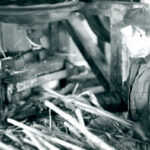
- Milling sugar cane for sorghum, 1957. Jess Patterson. 28 64_life_work_general_farm_grounds_sorghum_028
-
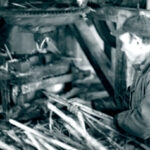
- Jess Patterson milling sugar cane for sorghum, 1957. 29 [64_life_work_general_farm_grounds_sorghum_029.jpg]
-
- Milling sugar cane for sorghum, 1957. Jess Patterson. 30 64_life_work_general_farm_grounds_sorghum_030
-
- Milling sugar cane for sorghum, 1957. Jess Patterson.31 64_life_work_general_farm_grounds_sorghum_031
-
- Milling sugar cane for sorghum, 1957. Milling sugar cane for sorghum, 1957. Jess Patterson.32 64_life_work_general_farm_grounds_sorghum_032
-
- Milling sugar cane for sorghum, 1957. 33 64_life_work_general_farm_grounds_sorghum_034
-
- Milling sugar cane for sorghum, 1957. 34 64_life_work_general_farm_grounds_sorghum_034
-
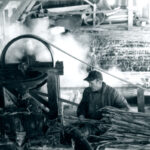
- Milling sugar cane for sorghum, 1957. Jess Patterson. 35 64_life_work_general_farm_grounds_sorghum_035
-
- Milling sugar cane for sorghum, 1957. 36 64_life_work_general_farm_grounds_sorghum_036
-

- Jess Patterson milling sugar cane for sorghum, 1957. 37 [64_life_work_general_farm_grounds_sorghum_037.jpg]
-
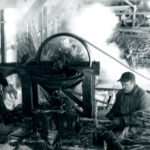
- Jess Patterson. 38 64_life_work_general_farm_grounds_sorghum_038
-
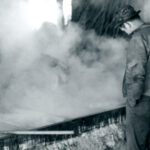
- Watching and stirring the cane syrup. 40 64_life_work_general_farm_grounds_sorghum_040
-
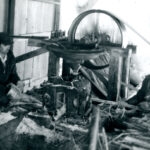
- Milling sugar cane for sorghum, 1957. Jess Patterson. 41 64_life_work_general_farm_grounds_sorghum_041
-
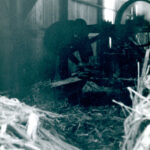
- Milling sugar cane for sorghum, 1957. 48 64_life_work_general_farm_grounds_sorghum_048
-
- 49 64_life_work_general_farm_grounds_sorghum_049
-
- 50 64_life_work_general_farm_grounds_sorghum_050
-
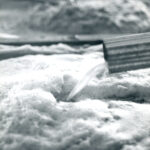
- Foam on top of pressed sugar cane. Lpquid goes into vat. 51 [64_life_work_general_farm_grounds_sorghum_051.jpg]
-
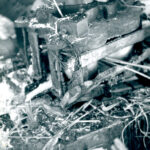
- Milling sugar cane for sorghum, 1957. 52 64_life_work_general_farm_grounds_sorghum_052
-
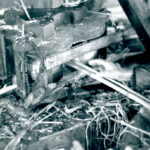
- Milling sugar cane for sorghum, 1957. 53 64_life_work_general_farm_grounds_sorghum_053
-
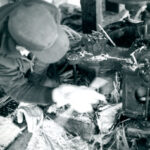
- Milling sugar cane for sorghum, 1957. 54 64_life_work_general_farm_grounds_sorghum_054
SEE ALSO:
FARM 1946 Sorghum Molasses Stir-Off
FARM Early Years
FARM GUIDE to Sheep, Goats, Weaving
JESS PATTERSON Staff – Biography
THE STIR-OFF Sorghum Molasses
WILLIAM HAYES Student Staff Board (Part 1) – Biography